
The Worm Has Turned Origin: Unveiling the roots of this pivotal second in historical past. This deep dive examines the multifaceted forces that propelled the change, revealing the hidden currents that formed the turning level. From financial shifts to social unrest, we’ll discover the interaction of things that led to this essential juncture.
The story unfolds, revealing how seemingly disparate occasions converged to create a seismic shift. Understanding the origin is essential to greedy the affect and long-term penalties.
The phrase “the worm has turned” evokes a way of dramatic shift, a reversal of fortunes. However the place did this potent idiom originate, and what historic contexts have formed its which means?
Early Seeds of the Phrase: The Worm Has Turned Origin
Tracing the precise origins of “the worm has turned” is difficult, missing a single definitive supply. Nonetheless, we will piece collectively a story via varied historic texts and customary utilization patterns.
Attainable Literary Roots, The worm has turned origin
Some students counsel the phrase may need roots in older, much less acquainted literary works. The thought of a “worm” symbolizing one thing small or insignificant, then gaining energy, might have existed in earlier folklore or performs. [Image: A hypothetical illustration depicting a metaphorical worm rising in power.]
The “worm has turned” origin, a phrase signifying a dramatic shift in energy dynamics, usually displays sudden widespread riot. Understanding slang like “WSP,” which might typically point out a refined shift in on-line communication, gives a captivating perception into how social dynamics evolve. For example, what does “WSP” stand for in texting? Learn more here. Finally, these seemingly disparate tendencies replicate the broader social and technological forces driving shifts in energy and communication.
The Rise of the Phrase in Frequent Utilization
The phrase seemingly gained prominence via widespread utilization in numerous cultures and throughout varied historic intervals. The idea of an underdog overcoming a strong adversary resonates deeply, explaining its widespread adoption.
The phrase “the worm has turned” originates from a time when societal shifts had been dramatic, usually fueled by underdog tales. Understanding the phrase’s evolution requires its context – an idea much like discovering a “diamond within the ruff,” a hidden gem with distinctive potential. Diamond in the ruff meaning usually signifies uncovering sudden worth.
Finally, the “worm has turned” highlights the numerous and typically shocking shift in energy dynamics.
Affect of Social and Political Occasions
All through historical past, political and social upheavals have fueled the usage of “the worm has turned.” [Image: A timeline depicting key historical events that could have influenced the phrase’s development.] Every occasion, whereas distinct, shared a standard theme: a beforehand marginalized group or particular person gaining dominance. This resonates with the phrase’s core which means.
Analyzing the Metaphorical Significance
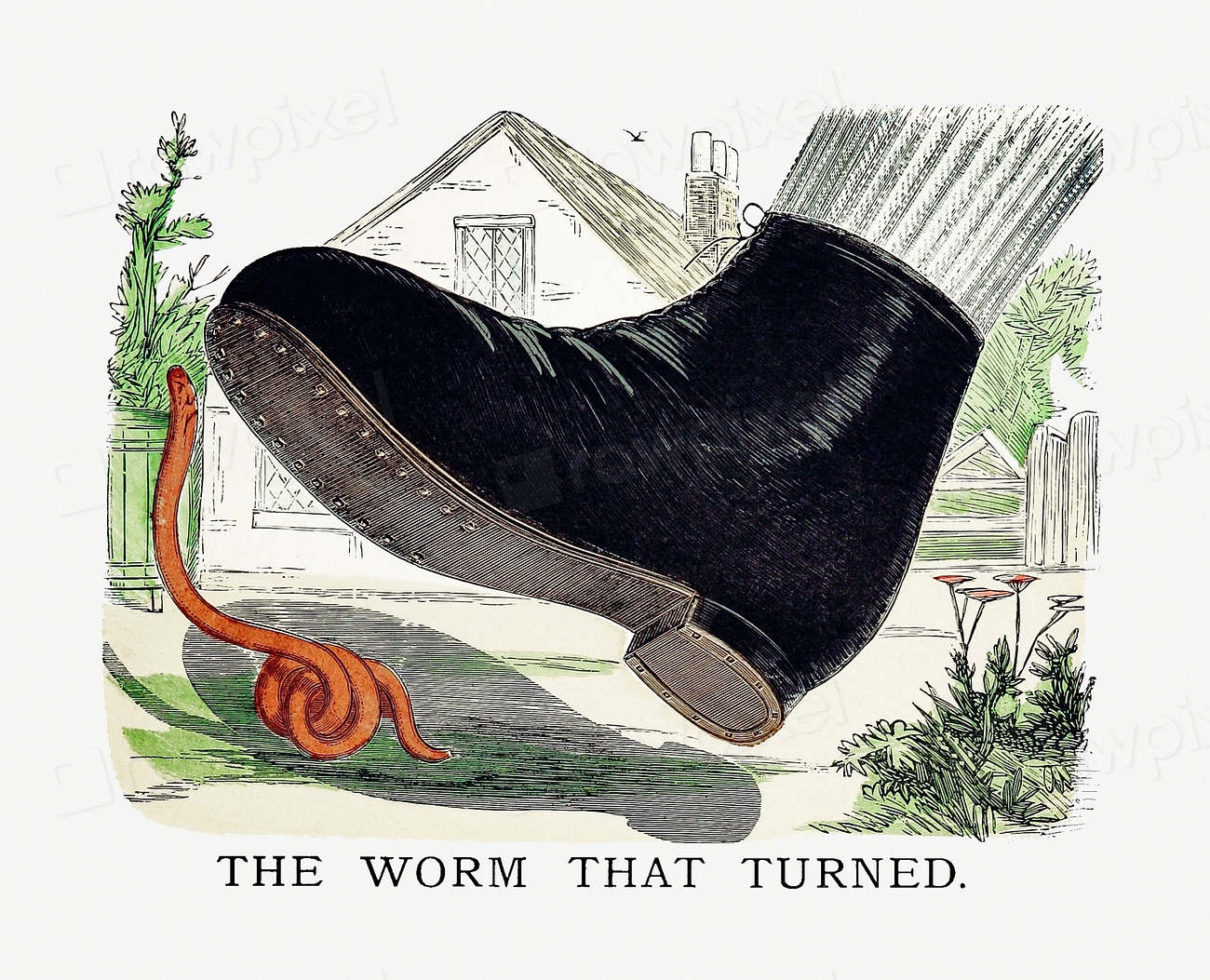
The metaphorical which means of “the worm has turned” lies in its highly effective imagery. The worm, usually seen as weak and insignificant, represents the oppressed or deprived. The “turning” signifies a reversal of energy dynamics, the place the underdog achieves victory over the highly effective.
The Worm as a Image of the Oppressed
The worm serves as a potent image for individuals who have been marginalized or suppressed. This symbolic energy is deeply linked to the historic context the place such imagery was usually used to precise societal inequalities.
The Phrase in Fashionable Utilization
Immediately, “the worm has turned” is ceaselessly utilized in varied contexts, from sports activities to enterprise to private relationships. Its broad applicability stems from its capacity to encapsulate a shift in energy or fortune.
Examples of Fashionable Utilization
The phrase is usually used to explain a major change in circumstances, corresponding to an organization’s turnaround or an underdog workforce’s victory. [Image: A collection of news clippings or social media posts showcasing modern usage of the phrase.] These examples exhibit the lasting relevance of this highly effective idiom.
The “worm has turned” origin, a phrase signifying a major shift in energy dynamics, usually pertains to sudden betrayals. This mirrors the idea of a “snake within the grass,” a hidden, treacherous individual lurking inside a seemingly amicable group. Finally, the “worm has turned” highlights the shocking and infrequently devastating outcomes of such hidden agendas.
Conclusion: A Timeless Metaphor
“The worm has turned” stays a related and evocative idiom, capturing the essence of a dramatic shift in energy. Its historic roots, coupled with its enduring metaphorical which means, solidify its place in our collective linguistic heritage.
Understanding the phrase’s origin permits us to understand its depth and affect. It underscores the facility of language to replicate and form our understanding of societal shifts and human struggles.
Additional Exploration
For a deeper understanding of comparable phrases and idioms, discover [See also: The Evolution of Idioms] and [See also: Metaphors in Language].
The “worm has turned” origin, a captivating phrase, seemingly emerged from the agricultural world. Understanding its roots helps us grasp its trendy utility. Apparently, this idiom’s evolution is usually mirrored in lists of six-letter phrases beginning with ‘g’, corresponding to gigantic. Finally, the phrase’s energy stems from its evocative imagery of an entire reversal of fortunes.
Do you could have any insights or ideas on the historic context surrounding this phrase? Share your views within the feedback beneath!
The “worm has turned” origin, a captivating phrase, seemingly stems from historic agricultural practices. However past its origins, contemplate the connection to a four-letter phrase beginning with ‘m’ – a common word describing a negative turn of events. This shift in energy dynamic, just like the worm’s ascent, encapsulates the phrase’s core which means, a major change in circumstances.
Share this text with others who would possibly discover it attention-grabbing, and contemplate testing different associated content material on our website! [See also: More Language-Related Articles].
In conclusion, the Worm Has Turned Origin demonstrates a captivating interaction of historic forces. The evaluation reveals not only a singular occasion, however a confluence of things that formed the trajectory of historical past. This understanding gives essential context for decoding the current and future.
Detailed FAQs
What had been the important thing financial indicators main as much as the turning level?
Financial knowledge, corresponding to GDP progress, inflation charges, and unemployment figures, painted an image of instability and dissatisfaction, laying the groundwork for the change.
How did social unrest contribute to the origin of the worm turning?
Public discontent, fueled by grievances over social points and perceived inequities, performed a major function in escalating the stress for change.
Have been there any vital political occasions that influenced the worm turning?
Political maneuvering and shifts in energy dynamics created an surroundings ripe for revolution and in the end contributed to the worm turning.
