
Find out how to spell the colour turquoise? This is not nearly a easy spelling; it is about understanding the nuances of a charming hue, its historical past, and its cultural significance. From its various spellings to its myriad purposes, this exploration reveals the fascinating world of turquoise, providing insights for artists, designers, and anybody keen on the great thing about coloration.
This in-depth information will delve into the other ways “turquoise” is spelled throughout varied areas and cultures. We’ll uncover the etymological roots of the phrase, tracing its journey by means of time and inspecting how totally different societies understand this charming coloration. Count on a complete exploration of the shades of turquoise, its relationship to comparable colours, and its ubiquitous presence in artwork, nature, and day by day life.
We’ll additionally analyze its purposes in vogue, inside design, and advertising, offering sensible examples that can assist you confidently use this evocative coloration.
Spelling Variations and Etymology
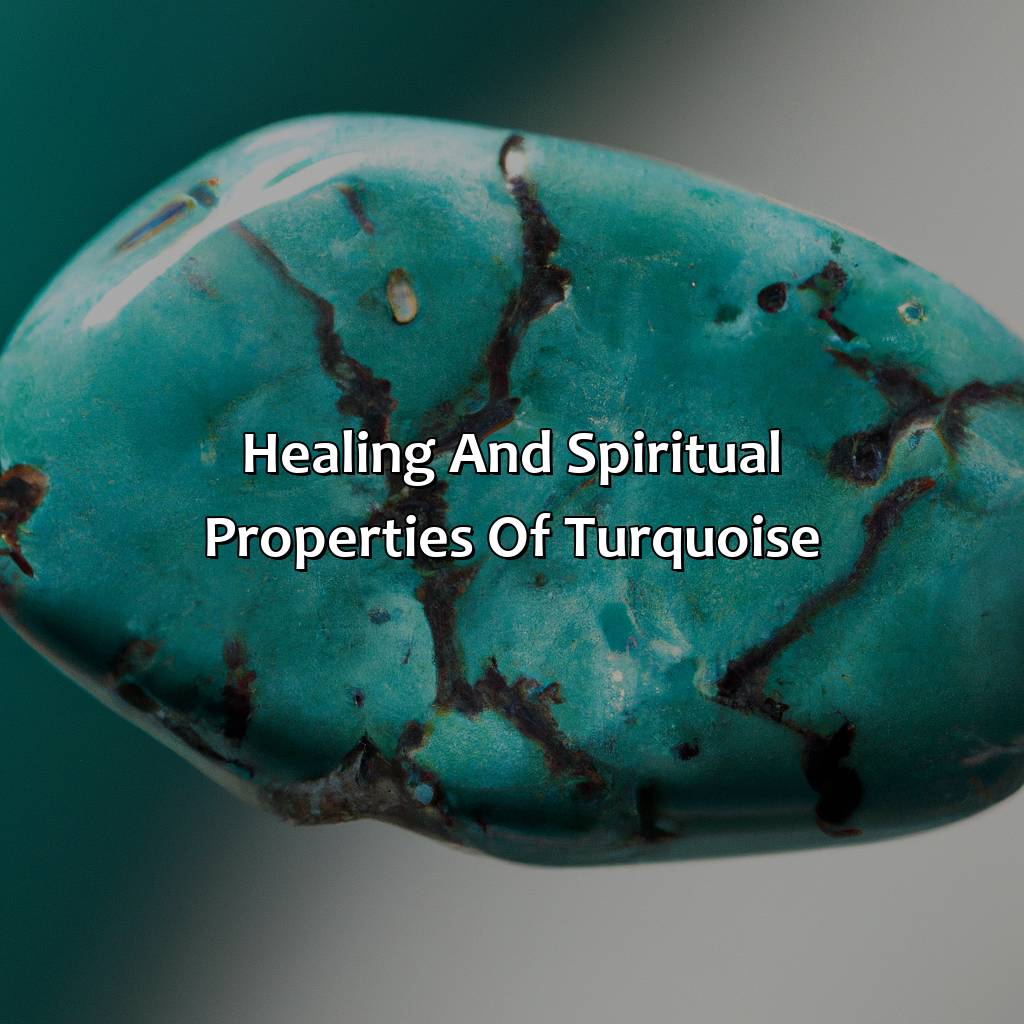
The colour turquoise, a charming shade of blue-green, has intrigued artists, designers, and linguists for hundreds of years. Understanding its spelling variations and etymological origins offers useful insights into its cultural significance and international utilization. This exploration delves into the various methods the phrase is spelled, its historic roots, and regional pronunciations, providing a complete overview for anybody within the nuances of language and coloration.The exact spelling of “turquoise” has developed over time, influenced by geographical and linguistic elements.
Whereas the spelling of “turquoise” might sound easy, understanding slang phrases like “bby” in textual content messages might be surprisingly complicated. Understanding how you can appropriately spell “turquoise” is essential for clear communication, particularly when discussing colours. This nuanced understanding of on-line language is essential, as seen in using “bby,” which is ceaselessly utilized in texting. For a deeper dive into the which means of “bby” in textual content conversations, try this useful resource: what does bby mean in a text message.
Finally, correct spelling stays important, significantly when discussing coloration names like turquoise.
This variability is a mirrored image of the phrase’s journey throughout totally different cultures and languages. Its etymology reveals a wealthy tapestry of linguistic connections and historic exchanges.
Spelling Variations
Completely different areas and cultures have adopted various spellings for this lovely hue. Understanding these nuances reveals the affect of language and historic context on phrase utilization.
- Turquoise, the commonest and extensively accepted spelling, is ceaselessly utilized in English-speaking nations.
- Turquois is an alternate spelling, usually seen in older texts or specialised contexts.
- Turqoise is one other variant that has appeared in sure publications or on-line boards.
Etymological Origins
The phrase “turquoise” traces its roots again to the Persian phrase “firouzeh,” which means “fortunate stone.” The connection to the colour stems from using the gemstone turquoise in jewellery and ornamental objects. This connection between the stone and the colour highlights the importance of the fabric in varied cultures.
Whereas “turquoise” is the usual spelling, understanding abbreviations like “r/s” in on-line communication, as seen in r/s meaning in text , will help you navigate varied on-line communities. Finally, “turquoise” stays the proper spelling for the colourful blue-green coloration.
Regional Pronunciations
The pronunciation of “turquoise” can differ throughout areas and cultures. The refined variations in pronunciation mirror the affect of native linguistic patterns.
- The usual pronunciation in English is /ˈtɜːrkwɔɪz/ (with the stress on the primary syllable).
- Variations may embrace the pronunciation of the “q” sound as a “ok” sound.
- In some cultures, the pronunciation may differ considerably, significantly in languages the place the sounds of the English alphabet are usually not instantly analogous.
Comparability of Spellings
The next desk summarizes the assorted spellings of “turquoise,” their related areas, and cultural contexts:
| Spelling | Area | Cultural Context |
|---|---|---|
| Turquoise | English-speaking international locations | Normal, extensively accepted spelling |
| Turquois | Older English texts, specialised contexts | Traditionally used variant |
| Turqoise | On-line boards, particular publications | Much less widespread variant, probably influenced by typographical errors |
Visible Illustration and Context

Understanding the colour turquoise goes past its easy spelling. Its visible nuances, cultural associations, and various purposes throughout totally different contexts are key to really greedy its significance. The colour’s versatility is clear in its use throughout artwork, jewellery, and even pure landscapes. Its perceived worth and symbolism have developed over time, mirroring broader societal tendencies.
Shades of Turquoise
A transparent understanding of the colour turquoise requires exploring its varied shades. Completely different intensities and tones influence how the colour is perceived and utilized. The spectrum ranges from mild, virtually pastel tones, to deeper, extra saturated shades.
Whereas “turquoise” is the accepted spelling for the colourful blue-green hue, understanding the nuances of phrases like “dropping by the wayside” can illuminate the underlying meaning behind a choice to concede. Finally, “turquoise” stays the proper spelling for the colour.
| Shade | Description |
|---|---|
| Mild Turquoise | A fragile, pastel shade, usually related to serenity and freshness. |
| Medium Turquoise | A balanced shade, providing a extra vibrant, but approachable tone. |
| Darkish Turquoise | A wealthy, intense shade, evoking a way of depth and thriller. |
Turquoise vs. Related Colours
Differentiating turquoise from comparable hues like teal, aquamarine, and blue is essential for correct coloration identification. The refined variations in tone, saturation, and undertones affect their general look and influence.
| Colour | Description | Key Distinguishing Characteristic |
|---|---|---|
| Turquoise | A blue-green coloration with a touch of blue-green. | Typically described as having a barely extra blue-green undertone than teal or aquamarine. |
| Teal | A greenish-blue coloration. | Sometimes has a stronger inexperienced undertone in comparison with turquoise. |
| Aquamarine | A lightweight blue-green coloration. | Extra mild and ethereal than turquoise, with a extra pronounced blue undertone. |
| Blue | A cool, calming coloration. | Lacks the inexperienced undertone attribute of turquoise. |
Turquoise in Various Contexts
Turquoise’s prevalence extends past the realm of coloration idea, impacting varied industries and inventive expressions. Its significance is deeply rooted in numerous cultures and time durations.
- Jewellery: Turquoise has lengthy been a prized gemstone, usually integrated into intricate jewellery items. Its distinctive magnificence and perceived protecting qualities make it a extremely sought-after materials. Its historic use in necklaces and pendants is especially notable.
- Artwork: Artists throughout totally different eras have employed turquoise of their works, utilizing it to depict varied themes and moods. From historic pottery to trendy work, its visible influence has resonated with audiences for millennia.
- Nature: Turquoise hues are ceaselessly noticed in pure settings, from the colourful turquoise waters of the Caribbean to the distinctive rock formations of sure areas. This pure incidence additional enhances the colour’s attraction.
Cultural and Temporal Perceptions
The notion of turquoise has developed considerably over time and varies throughout cultures. Its which means and symbolism are sometimes tied to the precise context wherein it’s used.
Whereas the spelling of “turquoise” might sound easy, understanding the nuances of coloration terminology can typically be tough. A key component to recollect is the constant spelling. This instantly pertains to the significance of defining phrases clearly in varied contexts, like, for instance, in a dialogue about what is a dtr. Finally, appropriately spelling “turquoise” is essential for efficient communication, simply as correct use of terminology is crucial in lots of fields.
- Historical Civilizations: In historic civilizations, turquoise was usually thought-about a sacred stone, possessing protecting and therapeutic properties. Its use in rituals and ceremonies highlights its cultural significance.
- Trendy Period: Within the trendy period, turquoise continues to be valued for its aesthetic attraction, although its particular symbolism might differ from previous interpretations. Its up to date utility usually displays up to date tastes and tendencies.
A Hypothetical Turquoise Paintings
Think about a portray titled “Desert Daybreak.” A vibrant turquoise sky, reflecting the rising solar, casts a tender glow on an unlimited desert panorama. The artist makes use of various shades of turquoise to depict the gradual change from evening to day, highlighting the great thing about the tough desert surroundings. The usage of turquoise symbolizes resilience, magnificence amidst hardship, and the transformative energy of nature.
The artist’s skillful utility of sunshine and shadow enhances the piece’s emotional depth.
Sensible Software and Utilization
Turquoise, a charming shade of blue-green, has a wealthy historical past and various purposes in varied fields. Its vibrant hue has captivated artists, designers, and customers for hundreds of years, and its presence is instantly obvious in on a regular basis life, from jewellery to inside design. Understanding its various makes use of offers a deeper appreciation for this outstanding coloration.Past its aesthetic attraction, turquoise usually holds cultural and symbolic significance.
The colour turquoise is spelled with a “u” and an “o,” not a “ou.” Understanding how you can spell it appropriately is prime, however increasing your vocabulary might be simply as essential. Discover a listing of seven-letter phrases starting with “l” to boost your wordplay here. Finally, mastering the spelling of turquoise stays key for efficient communication.
Its use is just not merely ornamental; it displays traditions, inventive expressions, and the will to combine magnificence into our environment and lives. This part delves into the sensible purposes of turquoise, highlighting its versatility and influence throughout totally different industries.
On a regular basis Life Examples
Turquoise’s presence extends far past the realm of high-end design. It is a widespread coloration in on a regular basis gadgets, from clothes to dwelling decor. This prevalence stems from its capability to create a chilled and visually interesting surroundings, whether or not it is a refined accent or a daring assertion piece.
Turquoise in Inside Design
Turquoise accents can rework an area. Incorporating turquoise furnishings, art work, and even ornamental pillows can add a contact of class and class. The colour’s versatility permits it to be built-in into varied inside design kinds, from trendy minimalist to bohemian stylish. A turquoise accent wall, for instance, can add a pop of coloration and vibrancy to a lounge or bed room.
Equally, a turquoise-toned rug can anchor an area and draw the attention.
Turquoise in Style
Turquoise is a well-liked alternative for vogue equipment, clothes, and even footwear. Its use in jewellery, corresponding to earrings, necklaces, and bracelets, is widespread. A turquoise-colored purse or a turquoise scarf generally is a trendy and crowd pleasing addition to any outfit. The colour is usually integrated into clothes as a press release piece or as a refined accent to raise an outfit’s attraction.
Varieties of Turquoise Minerals, Find out how to spell the colour turquoise
Numerous sorts of turquoise exist, every with its distinctive traits and properties. The colour variations vary from mild powder blue to deep teal, and the depth of the colour can rely on the mineral’s composition. Various kinds of turquoise have totally different origins and should differ in depth and shade. This variation is a key issue of their various purposes.
For instance, Arizona turquoise is thought for its vivid coloration, whereas Nevada turquoise might have a extra muted tone.
Purposes of Turquoise
- Jewellery Design: Turquoise’s magnificence and sturdiness make it a well-liked alternative for jewellery. Its use in necklaces, bracelets, earrings, and rings is prevalent because of its aesthetic qualities and the symbolic meanings related to it.
- Residence Decor: Turquoise’s versatility extends to dwelling decor. It may be integrated into varied components, from ornamental trays to ceramic bowls, enhancing the visible attraction of dwelling areas.
- Style: Turquoise is a well-liked alternative for clothes, significantly in equipment like scarves, baggage, and belts. Its use in clothes provides a pop of coloration and visible curiosity.
- Artwork and Crafts: Turquoise is a flexible materials in artwork and crafts. Its use in creating sculptures, work, and ornamental gadgets is widespread. Its wealthy coloration provides visible curiosity to numerous types of inventive expression.
Detailed Description of a Turquoise Merchandise
A handcrafted turquoise pendant necklace incorporates a sizable, cabochon-cut turquoise stone, roughly 2.5 centimeters in diameter. The stone’s deep, vibrant teal hue is complemented by a fragile, silver-toned chain. The pendant’s design is straightforward but elegant, that includes intricate detailing that enhances the turquoise’s magnificence. The necklace is meant for on a regular basis put on, offering a contact of understated class to any outfit.
Closing Abstract: How To Spell The Colour Turquoise
In conclusion, the spelling and use of “turquoise” are usually not merely superficial concerns. They mirror a deeper understanding of cultural heritage, inventive expression, and the pervasive affect of coloration in our day by day lives. This exploration has proven how the refined variations in spelling and the various purposes of this charming coloration showcase its enduring attraction. We hope this information has not solely clarified the spelling of turquoise but additionally ignited a deeper appreciation for its wealthy historical past and versatile purposes.
Whether or not you are a seasoned designer or just curious in regards to the world of coloration, this complete overview equips you to confidently use and respect the great thing about turquoise.
Question Decision
What are some various spellings of “turquoise”?
Whereas “turquoise” is the commonest and accepted spelling, variations exist. Some regional or historic spellings might embrace “turquois” and even barely altered variations. A desk showcasing these variations, together with their cultural context, is supplied within the full article.
What are the important thing variations between turquoise and comparable colours like teal and aquamarine?
An in depth comparability desk will spotlight the nuanced variations in hue, saturation, and undertones between turquoise, teal, and aquamarine, enabling a greater understanding of their distinct traits. This will probably be useful for anybody working with coloration palettes or attempting to precisely seize the specified turquoise shade.
How is turquoise utilized in inside design?
Turquoise finds purposes in varied inside design kinds, from trendy minimalist to bohemian. Examples showcasing profitable turquoise use in numerous room settings and design schemes will probably be supplied within the full article.
What are some widespread misconceptions about turquoise?
Misconceptions surrounding the origin, symbolism, or utility of turquoise will probably be addressed. This part goals to make clear any widespread misunderstandings, enhancing a extra correct and holistic understanding of this lovely coloration.
