
Bourbon vs whiskey distinction: This seemingly easy query hides a fancy tapestry of taste profiles, manufacturing strategies, and historic context. Deciphering the distinctions between these spirits is essential to understanding the nuances of American and worldwide whiskey tradition.
From the particular grain necessities of bourbon to the varied maturation processes used to craft these distinctive liquors, this exploration will delve deep into the variations that set these drinks aside. Put together to embark on a journey via the fascinating world of spirits.
Whiskey and bourbon, two spirits usually confused, share a typical ancestor however diverge considerably of their manufacturing strategies and last traits. This deep dive explores the important thing variations, shedding gentle on the nuances that set these beloved drinks aside.
The Basis: Grain and Mash Invoice
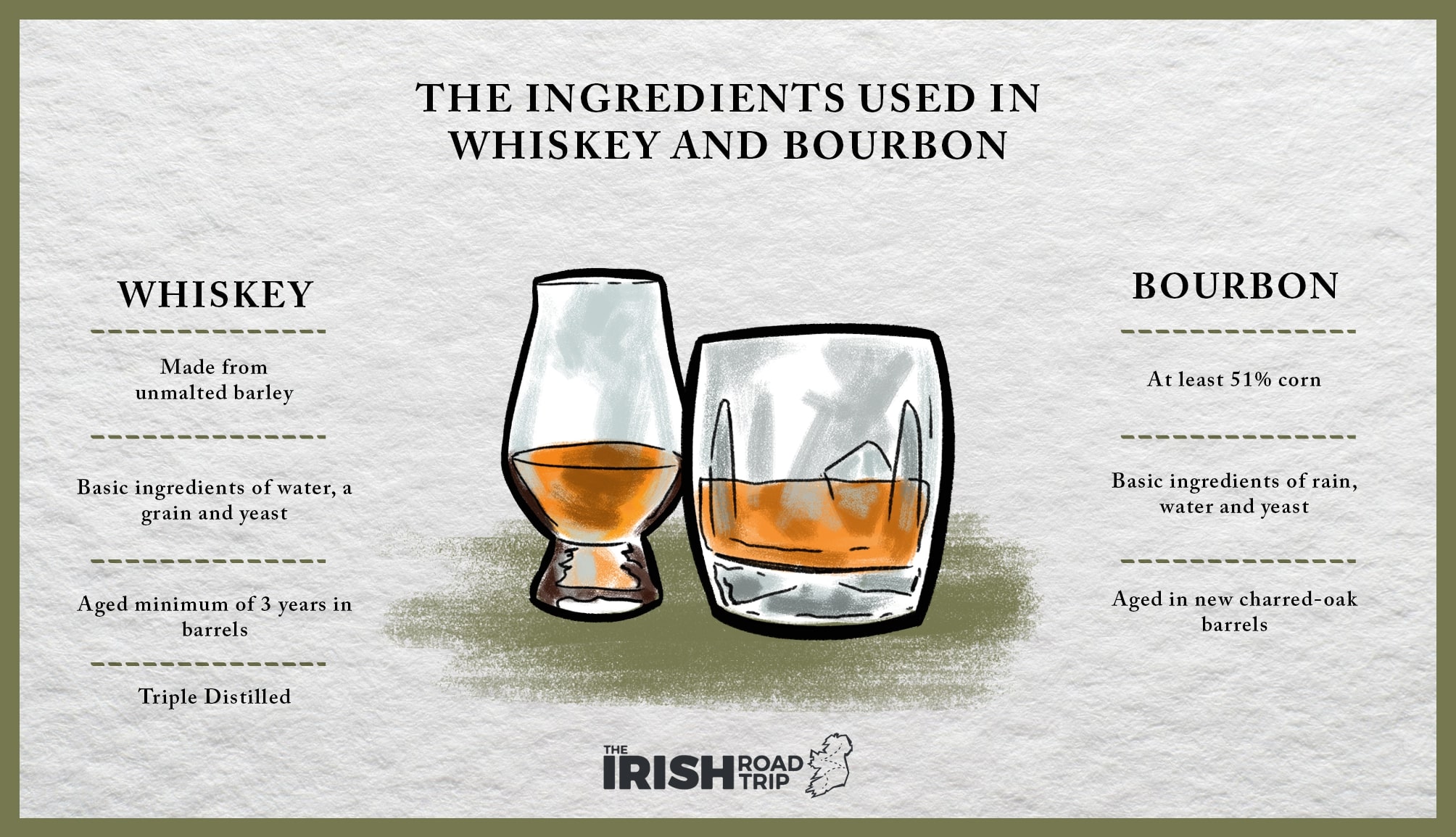
Each bourbon and whiskey are distilled spirits produced from fermented grain mash. Nevertheless, the particular grains used and the proportions (the mash invoice) are the place the basic distinction lies. Bourbon, by definition, should be produced from not less than 51% corn. This corn-heavy mash invoice contributes considerably to its distinct taste profile. Different grains, like rye and barley, may be included, however the core ingredient is at all times corn.

Whiskey, then again, can make the most of a greater diversity of grains in its mash invoice. Whereas corn is commonly current, it is not the defining attribute. Rye whiskey, for instance, is a sort of whiskey with a considerably greater rye content material in its mash invoice. This distinction in mash invoice is the first driver of the completely different flavors and textures you may expertise within the last product.
The Essential Step: Getting older: Bourbon Vs Whiskey Distinction
Getting older is a essential step within the manufacturing of each bourbon and whiskey. However the growing old course of performs a singular function in differentiating them. Bourbon should be aged in new, charred oak barrels. This charring course of imparts a definite taste profile, lending the spirit its signature easy, vanilla, and generally smoky notes.
Whereas whiskey may also be aged in oak barrels, the specifics of the charring course of and the kind of wooden used can differ broadly, leading to a broader spectrum of taste profiles. The growing old course of permits the spirit to soak up the flavors and aromas from the wooden, leading to a singular sensory expertise.
The Authorized Definition: A Essential Distinction
The authorized definitions of bourbon and whiskey are essential in understanding their variations. Bourbon, based on the U.S. federal laws, should meet particular necessities to be known as bourbon. This contains the grain content material (minimal 51% corn), the growing old course of (new, charred oak barrels), and the particular geographic space the place it is produced. These laws guarantee a constant high quality and taste profile.
Whiskey, then again, does not have such strict laws. Totally different nations and areas have their very own requirements for what constitutes whiskey, resulting in a various array of taste profiles and kinds.
Past the Fundamentals: Exploring Taste Profiles
The variations in grain composition and growing old processes immediately impression the ultimate taste profile. Bourbon, with its attribute corn-heavy mash invoice and charred oak growing old, usually displays notes of vanilla, caramel, and spice. Whiskey, with its broader grain choices and growing old variations, can vary from easy and delicate to daring and strong, encompassing flavors like smoky peat, candy fruit, or natural undertones.
Understanding the nuances of bourbon versus whiskey is essential for discerning drinkers. Key differentiators usually hinge on particular manufacturing strategies and the varieties of grains used. Nevertheless, deciphering on-line abbreviations like “DHZ” may also be very important to navigating discussions about this matter. For example, understanding that “DHZ” doubtless means one thing associated to “distillation,” or “double-heating zone,” can considerably impression your understanding of particular distilling processes, and in the end, your appreciation for bourbon versus whiskey.
This information will provide you with a deeper understanding of the varied distinctions between bourbon and whiskey, permitting you to refine your appreciation of those spirits. dhz meaning in text
Tasting Notes: A Nearer Look, Bourbon vs whiskey distinction
Bourbon often presents a smoother, sweeter profile, usually described as having notes of vanilla, caramel, and oak. Whiskey, then again, can showcase a variety of flavors, relying on the particular kind. Rye whiskey, for instance, sometimes has a bolder, spicier profile.
Understanding the delicate variations between bourbon and whiskey is essential for any connoisseur. Whereas each are distilled spirits, the specifics of the growing old course of and the required substances usually result in distinct flavors. Contemplate the picture of a woodchuck, a fascinating creature , to know the nuanced variations within the maturation of those spirits. Finally, understanding the particular laws round grain kind and growing old period is essential to actually appreciating the nuances of every kind of whiskey.
Selecting Your Spirit: A Information for the Curious Drinker
Understanding the variations between bourbon and whiskey empowers you to make knowledgeable selections. In the event you desire a smoother, extra approachable spirit with a delicate sweetness, bourbon may be the higher selection. In the event you’re searching for a spirit with a broader vary of taste profiles and a probably extra strong style, whiskey could possibly be a extra appropriate possibility.
Whereas the bourbon vs whiskey debate rages on, understanding the nuances of every spirit may be difficult. A essential aspect to think about is learn how to strategy conditions when the chips are down, and discovering the appropriate methods is essential. When the chips are down meaning usually displays a pivotal second requiring a strategic response, mirroring the delicate distinctions in taste profiles between bourbons and whiskeys.
Finally, each require a discerning palate and a transparent understanding of the core ideas.
Finally, one of the best ways to find your desire is thru tasting and exploring the varied varieties of each bourbon and whiskey. Do not be afraid to experiment and uncover the flavors that resonate with you.
Conclusion
Bourbon and whiskey, whereas each distilled spirits, are distinct of their manufacturing strategies, authorized definitions, and ensuing taste profiles. The core distinction lies within the mash invoice (with bourbon emphasizing corn) and the growing old course of (bourbon’s requirement for brand spanking new, charred oak barrels). By understanding these key variations, you’ll be able to higher admire the distinctive traits of every spirit and select the one which most closely fits your palate.
[See also: A Comprehensive Guide to Different Types of Whiskey]
[Image: A table comparing bourbon and whiskey by key characteristics]
Able to embark by yourself whiskey journey? Share your ideas and favourite bourbon or whiskey experiences within the feedback beneath!
[See also: How to Pair Whiskey with Food]
Understanding the nuances of bourbon versus whiskey is essential for discerning drinkers. Whereas each share whiskey origins, the particular laws and manufacturing processes considerably affect the ultimate product. Understanding what “DWU” means in a textual content message may be equally necessary, particularly in immediately’s fast-paced digital communication. This usually pertains to phrases utilized in on-line relationship and social media interactions.
Finally, each understanding nuanced beverage variations and on-line slang are necessary abilities in navigating fashionable tradition. Understanding the distinction between bourbon and whiskey, identical to understanding what what does dwu mean in text message means, can result in extra productive and significant interactions.
Share this text with fellow spirit lovers in your social media channels!
In conclusion, whereas each bourbon and whiskey share a typical ancestor, their distinct traits stem from distinctive manufacturing strategies and laws. Understanding these variations is essential for appreciating the complexities of every spirit. This exploration has highlighted the delicate but vital variations, from the obligatory corn requirement in bourbon to the broader vary of grains utilized in whiskey.
Understanding the nuances of bourbon versus whiskey is essential for discerning drinkers. Whereas usually used interchangeably, distinct variations exist of their manufacturing processes. This results in variations in taste profiles, essential for connoisseurs. For instance, exploring the particular traits of four-letter phrases beginning in “i” 4 letter words starting in i may provide an analogous stage of perception into these advanced spirits.
Finally, the variations between bourbon and whiskey boil down to those key distinctions.
This understanding enhances the appreciation for the intricate craftsmanship behind these drinks. Finally, the selection between bourbon and whiskey rests on private desire, as each provide a rewarding expertise.
Question Decision
What are the important thing substances that differentiate bourbon from different whiskeys?
Bourbon should be made with not less than 51% corn, whereas different whiskeys can use a greater diversity of grains. This significant distinction in substances impacts the ultimate taste profile considerably.
How does the growing old course of have an effect on the style of bourbon and whiskey?
Each bourbon and whiskey bear growing old in new charred oak barrels, however the particular charring course of and size of time within the barrel contribute to the distinctive taste growth of every. The longer the growing old interval, the extra advanced the flavour profile.
Can bourbon be thought-about a sort of whiskey?
Sure, bourbon is a sort of whiskey, particularly American whiskey, however with distinctive and legally mandated necessities that set it aside. The corn-based nature is probably the most notable distinction.
