
What’s the distinction between paperback and hardcover? This query unlocks an enchanting world of publishing selections, impacting all the things from price to sturdiness. Understanding the nuances between these two codecs is essential for any guide lover or aspiring writer.
Paperback books are typically extra reasonably priced, making them accessible to a wider viewers. Their light-weight and transportable nature makes them excellent for on-the-go studying. Hardcover books, however, usually boast a better high quality really feel, with sturdy covers and sometimes extra premium paper inventory, lending themselves to a extra luxurious studying expertise and lasting longer. This distinction extends past simply aesthetics, influencing the general studying expertise.
Selecting between a paperback and a hardcover guide can really feel like a easy determination, however there’s extra to it than meets the attention. Understanding the variations can assist you make an knowledgeable alternative, whether or not you are a devoted reader, a guide collector, or just searching to your subsequent learn. This deep dive explores the varied facets that set these two codecs aside.
Whereas paperback books are typically cheaper and extra transportable, hardcover books usually boast a better perceived worth and a extra sturdy binding. Understanding the nuances of on-line slang, just like the which means of “ASL” on TikTok, may be as essential as understanding the distinction between these two guide varieties. That is very true for savvy guide collectors or these seeking to purchase books for a long-term funding.
In the end, the selection between paperback and hardcover relies on particular person wants and preferences, simply because the which means of on-line abbreviations like “ASL” relies on the context of the platform or the group. what does asl mean on tiktok reveals how social media abbreviations evolve.
Sturdiness and Longevity
One of the important variations lies within the guide’s bodily building and its capacity to face up to use. Hardcovers, with their sturdy, usually bolstered covers, are typically extra sturdy and resilient. The thicker, stiffer boards defend the pages from bending and warping, permitting the guide to endure years of use. This sturdiness makes them a preferable alternative for frequent readers or those that need a guide that may final.
Understanding the distinction between paperback and hardcover books usually boils all the way down to sturdiness and price. Hardcovers, sometimes costlier, provide a superior really feel and are constructed to final, making them superb for frequent readers. Conversely, paperbacks are sometimes the extra budget-friendly choice, although their sturdiness could also be a trade-off. Whereas researching the nuances of this distinction, you would possibly discover a useful clue in a small songbird crossword puzzle, like this one: small songbird crossword puzzle clue.
In the end, the selection relies on your studying habits and finances. This in the end impacts the acquisition determination between a paperback and a hardcover.
The Affect of Repeated Use
Over time, repeated opening and shutting of a paperback can result in put on and tear. The pages can grow to be creased or dog-eared, and the duvet itself would possibly present indicators of harm, comparable to tears or fading. Hardcovers, because of their building, are much less prone to those points, retaining their pristine look for longer durations. [Image: Comparison chart showing average lifespan of paperback vs.
hardcover books based on usage statistics]
Price and Worth
The associated fee distinction between paperback and hardcover books is a key consideration for a lot of readers. Usually, paperbacks are extra reasonably priced, reflecting the less complicated manufacturing course of and decrease materials prices. This makes them a lovely choice for readers who wish to discover numerous genres or are on a finances. Hardcovers, however, usually command a better worth because of their superior supplies and building, positioning them as a extra premium and doubtlessly extra invaluable funding.
Value Sensitivity and Finances-Aware Studying
For budget-conscious readers, the decrease price of paperbacks could be a important benefit. They provide a extra accessible method to purchase and revel in a lot of books. [Image: Graph displaying the price difference between paperback and hardcover books for various genres]
Whereas paperback books are sometimes extra reasonably priced and transportable, hardcovers provide a extra premium really feel and sturdiness. This distinction in building immediately pertains to the enduring enchantment of bodily books, particularly when contemplating how a guide’s bodily kind can have an effect on its perceived worth. Understanding the nuances of guide binding is vital to appreciating the variations between codecs. For instance, the time period “sizzling to trot” usually describes a vigorous, energetic animal, although its exact which means can fluctuate relying on the context.
define hot to trot In the end, the selection between a paperback and a hardcover boils down to private choice and finances. The tangible expertise of holding a guide can considerably improve the studying expertise, whatever the binding.
Portability and Comfort
Portability is one other necessary side to contemplate. Paperbacks, being typically lighter and extra compact, are simpler to hold round. This makes them superb for readers who regularly journey or favor to take their studying materials with them on the go. Hardcovers, with their thicker covers, may be extra cumbersome, however their sturdy building protects the guide’s contents throughout transport.
Issues for Journey and On a regular basis Use
For these looking for a light-weight and simply transportable guide, a paperback is the extra sensible alternative. This comfort is especially necessary for readers who usually discover themselves in transit or wish to shortly entry their favourite studying materials whereas on the transfer. [Image: Side-by-side comparison of a paperback and a hardcover book, highlighting their respective sizes]
Presentation and Aesthetics
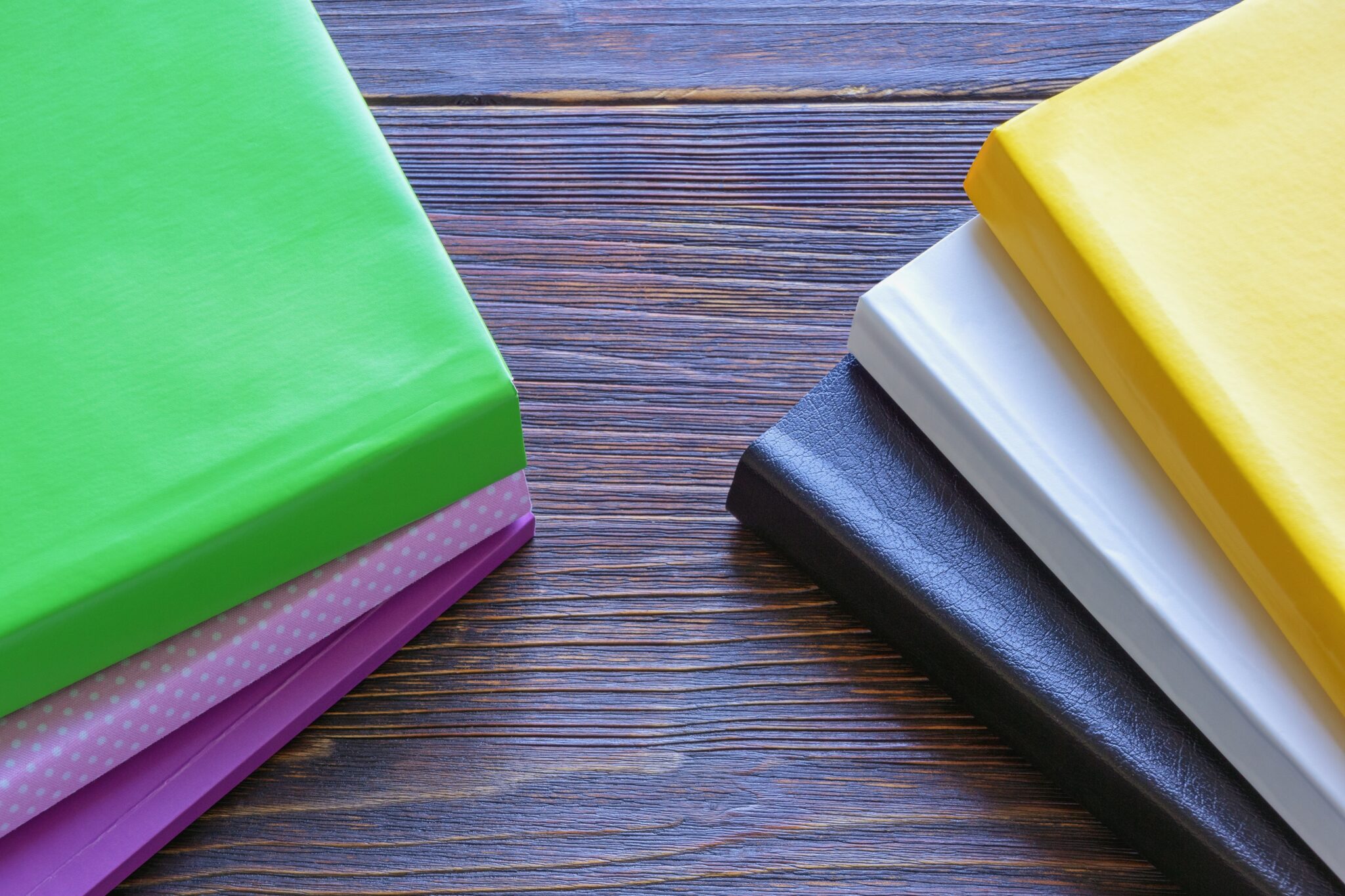
Hardcovers usually have a extra refined and aesthetically pleasing look. The high-quality cowl design, usually with elaborate paintings or embossing, can improve the general presentation and enchantment to collectors. Paperbacks, whereas additionally providing a wide range of designs, are inclined to focus extra on performance and accessibility fairly than a robust aesthetic assertion. This distinction in presentation may be an necessary issue for these looking for a extra visually interesting studying expertise.
Accumulating and Show, What’s the distinction between paperback and hardcover
For guide collectors, hardcovers usually maintain a better worth because of their distinctive designs and the opportunity of rising in price over time. The collectible nature of sure hardcovers may be a lovely side for collectors looking for to construct a complete and visually interesting library. [Image: Examples of aesthetically appealing hardcover books with unique covers]
The Printing and Manufacturing Course of
The manufacturing processes for paperback and hardcover books differ considerably. Hardcovers sometimes use extra sturdy paper and a extra intricate binding technique, which contributes to their higher longevity. Paperbacks, conversely, make use of a less complicated, less expensive binding technique. This distinction in manufacturing is mirrored within the worth level and the general high quality of the ultimate product.
Evaluating the Binding Methods
The binding technique immediately impacts the guide’s structural integrity and sturdiness. Understanding the nuances of those strategies can present invaluable insights into the guide’s general worth proposition. [Image: Diagram illustrating the different binding processes for paperback and hardcover books]
Selecting the Proper Format for Your Wants: What Is The Distinction Between Paperback And Hardcover
In the end, the selection between a paperback and a hardcover relies on particular person wants and priorities. Think about components comparable to finances, desired sturdiness, portability, and aesthetic preferences when making your determination. Weigh the advantages of every format to find out which most accurately fits your studying habits and way of life. [See also: How to Choose the Perfect Book for Your Mood]
Whereas the bodily variations between paperback and hardcover books are clear – assume sturdiness and sometimes worth – understanding the nuances of on-line slang may be simply as essential. For instance, understanding what “DWU” means in a textual content message can considerably affect the way you interpret the message, much like how the guide’s binding impacts its longevity.
In the end, the selection between paperback and hardcover boils down to private choice and anticipated use, simply as deciphering on-line acronyms relies on context. what does dwu mean in text message A well-maintained, sturdy hardcover guide can final for years, reflecting its high quality and enduring content material.
This exploration supplies a complete understanding of the distinctions between paperback and hardcover books. Hopefully, this in-depth evaluation has geared up you with the information to confidently select the format that finest aligns along with your preferences and studying habits.
Whereas paperback books are typically extra reasonably priced and handy, hardcover books usually boast superior high quality and sturdiness. This distinction in building could be a actual game-changer, particularly if you happen to’re searching for a long-term funding in your studying materials. Discovering your self “up the creek and not using a paddle” in the case of your guide finances would possibly make a paperback a greater choice.
Up the creek without a paddle is a basic idiom, highlighting the sensation of being caught in a troublesome spot. In the end, the only option relies on your particular person wants and finances. Think about your studying habits and whether or not you like the tangible really feel of a hardcover or the portability of a paperback.
What are your ideas on paperback versus hardcover? Share your experiences and opinions within the feedback under! Remember to share this text with fellow guide lovers on social media. Learn extra in regards to the latest book releases and discover different associated articles.
In conclusion, the selection between paperback and hardcover hinges on particular person priorities. Finances-conscious readers would possibly favor paperback, whereas these looking for a extra premium studying expertise would possibly go for hardcover. In the end, each codecs provide distinctive benefits, and understanding these variations empowers readers to make knowledgeable selections about their subsequent guide buy.
Solutions to Frequent Questions
What are the environmental implications of selecting one format over the opposite?
Whereas each codecs have environmental issues, hardcover books, usually utilizing increased high quality paper and extra sturdy supplies, may need a barely decrease environmental affect over their lifespan. Nevertheless, the general environmental affect is advanced and relies on many components, together with paper sourcing and manufacturing processes for each varieties.
Are there any measurement variations between paperback and hardcover books?
Usually, hardcover books are typically bigger in measurement, because of the thicker covers and sometimes increased web page depend. Nevertheless, this is not a common rule, and the dimensions can fluctuate primarily based on the precise guide.
How does the binding course of differ between paperback and hardcover books?
Paperback books normally use a less complicated, less expensive binding technique, comparable to excellent binding. Hardcover books, however, use extra advanced and sturdy strategies, like case binding, which ensures the guide can face up to extra use.
Can a guide be printed as each paperback and hardcover?
Sure, it is quite common for a guide to be out there in each paperback and hardcover codecs. This permits publishers to cater to a wider vary of readers and worth factors.
